Get Gas Line Capping
Gas line capping services help property owners safely disconnect, seal, or cap unused or damaged gas lines during renovations, repairs, or property closures.
Property owners in the area considering upgrades or modifications often find that properly capping gas lines is an important step in their planning process. Whether preparing a site for future construction, ensuring safety during renovations, or simply removing unused connections, professional gas line capping services provide a practical solution. Local contractors who specialize in this work understand the specific requirements of the community and can help ensure the job is done correctly and safely.
Exploring options for gas line capping involves comparing experienced service providers in the vicinity. By connecting with local professionals, property owners can access knowledgeable support tailored to their project needs. Continuing to read can help identify qualified contractors who can assist with planning and executing gas line capping projects efficiently and reliably.
- Gas Line Capping - needed when a gas line is no longer in use or is being decommissioned.
- Gas Line Repair - required if a leak or damage is detected in an existing gas line.
- Gas Line Replacement - necessary when an outdated or unsafe gas line needs upgrading or removal.
- Gas Line Inspection - performed to assess the condition of gas lines before renovation or repair work.
- Gas Line Abandonment - performed when a gas line must be safely sealed and left inactive in the property.
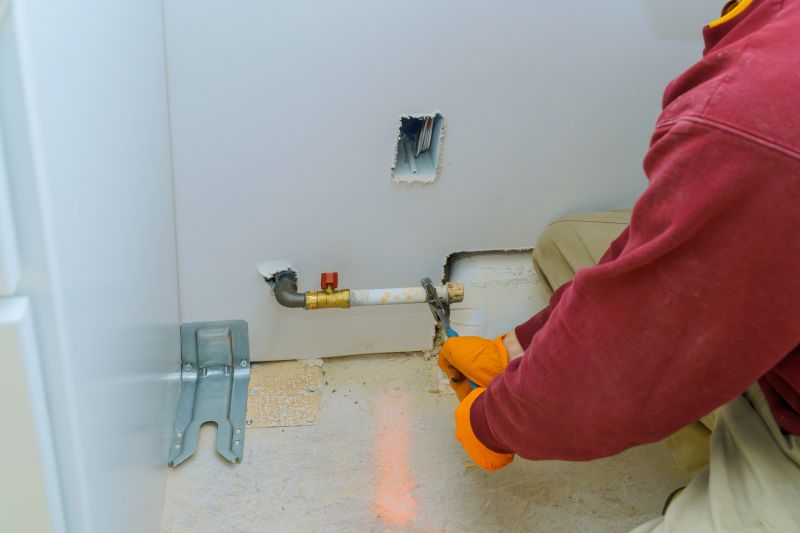
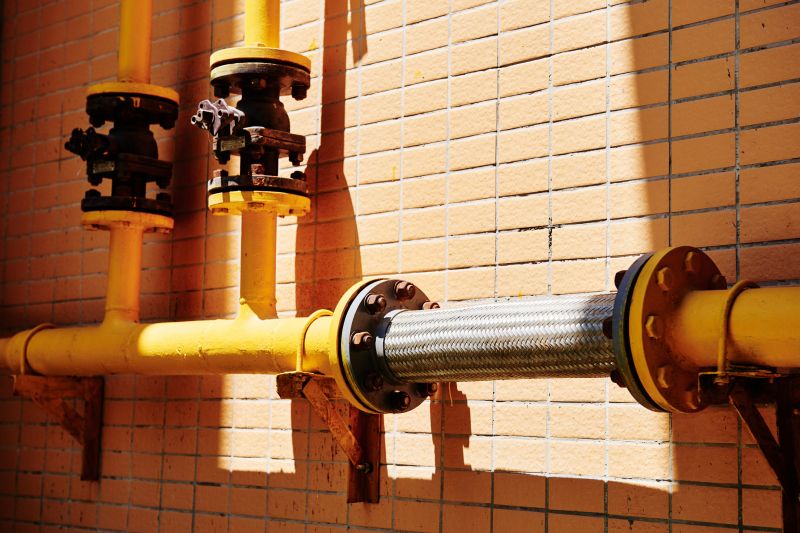
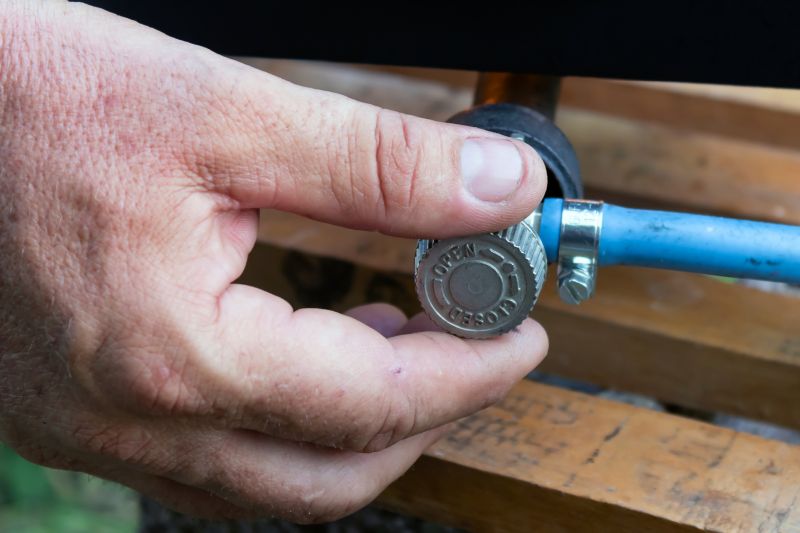
Gas line capping services involve safely sealing off an existing natural gas or propane line at the property. This process typically requires a skilled contractor to disconnect the gas supply and install a secure cap on the pipe. Proper capping ensures there are no leaks or accidental gas escapes, which is essential for safety and compliance with local regulations. Homeowners may consider gas line capping when they are no longer using a gas appliance, renovating a property, or preparing a site for sale or demolition.
This service helps resolve several common problems. For example, an unused or abandoned gas line can pose safety hazards if it leaks or deteriorates over time. Gas line capping prevents potential gas leaks, reducing the risk of fire or explosion. Additionally, it can eliminate ongoing costs associated with unused gas connections, such as maintenance or inspection fees. Property owners who want to avoid the hazards and liabilities of old or unused gas lines often turn to professional capping services for peace of mind.
Gas line capping is frequently needed in various types of properties. Residential homes, especially those undergoing renovations or repurposing, often require gas line modifications or closures. Commercial buildings and rental properties may also need this service when tenants move out or gas appliances are removed. Additionally, properties slated for demolition or those being prepared for sale often require gas line capping to ensure safety and compliance. Local contractors experienced in gas line work can assess each property’s needs and perform the service efficiently.
Homeowners and property managers should consider gas line capping when they notice signs of leaks, plan to remove or replace gas appliances, or are involved in remodeling projects. It’s also a recommended step before selling or demolishing a property to ensure that all gas connections are safely sealed. By working with experienced local service providers, property owners can ensure that the job is done correctly and safely, helping to prevent future issues related to unused or compromised gas lines.
The overview below groups typical Gas Line Capping projects into broad ranges so you can see how smaller, mid-sized, and larger jobs often compare in your area.
In many markets, a large share of routine jobs stays in the lower and middle ranges, while only a smaller percentage of projects moves into the highest bands when the work is more complex or site conditions are harder than average.
Smaller Repairs - for minor gas line capping jobs, typical costs range from $250 to $600. Many routine projects fall within this range, covering simple caps or repairs on existing lines.
Moderate Projects - medium-sized jobs, such as capping multiple lines or replacing sections, usually cost between $600 and $1,500. These are common for homeowners seeking a reliable solution without extensive work.
Larger, Complex Jobs - more involved projects, including extensive rerouting or multiple line caps, can range from $1,500 to $3,000. While less frequent, these jobs are handled by local contractors with specialized equipment.
Full Replacement or Major Work - complete gas line replacements or highly complex capping projects typically exceed $3,000 and can reach $5,000 or more. These are less common and usually involve detailed planning and permits.
Actual totals will depend on details like access to the work area, the scope of the project, and the materials selected, so use these as general starting points rather than exact figures.
Gas Line Removal - professionals experienced in safely disconnecting and removing outdated or damaged gas lines, a skill closely related to capping services.
Utility Line Abandonment - local contractors who can properly cap and decommission various underground utility lines, including gas, water, and sewer lines.
Underground Pipe Plugging - specialists who install pipe plugs or caps to permanently seal off unused underground pipelines, similar to gas line capping techniques.
Excavation and Trenching - service providers skilled in digging trenches for utility work, which is often required prior to gas line capping or replacement.
Gas Line Repair - local pros capable of repairing damaged gas lines, often involving partial capping or sealing as part of the repair process.
Pipeline Inspection - contractors who use specialized tools to inspect underground pipelines, ensuring proper sealing and identifying areas needing capping or repair.
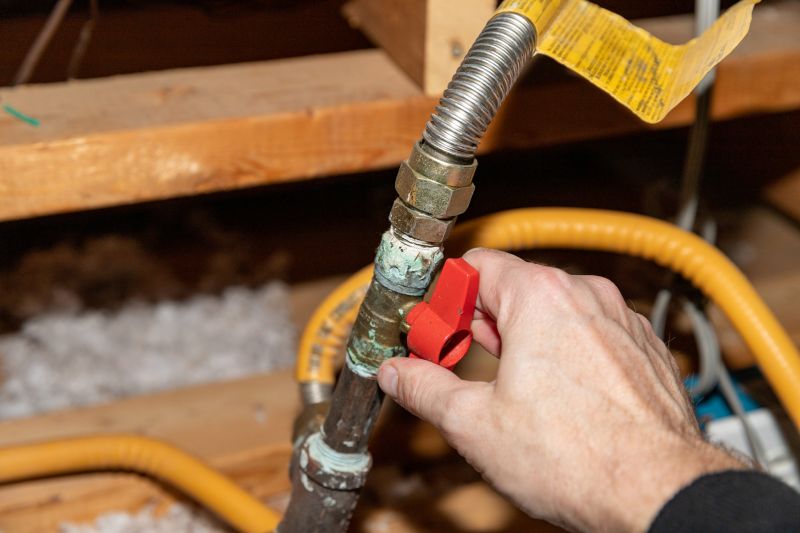
When evaluating service providers for gas line capping, it’s important to consider their experience with similar projects. Homeowners should look for local contractors who have a proven track record in handling gas line modifications or terminations, ensuring they understand the specific requirements and safety considerations involved. An experienced professional is more likely to be familiar with local codes and best practices, which can contribute to a smoother process and reduce the risk of complications.
Clear, written expectations are essential when selecting a contractor for gas line capping. Homeowners should seek providers who can offer detailed descriptions of the scope of work, including what is included and any potential limitations. Having this information in writing helps prevent misunderstandings and provides a reference point throughout the project. It also demonstrates the contractor’s professionalism and commitment to transparent communication.
Reputable references and effective communication are key factors to consider when comparing local service providers. Homeowners are encouraged to ask for references from past clients who have had similar work completed, as this can provide insight into the quality of service and reliability. Additionally, choosing a contractor who communicates clearly and promptly can help ensure that questions are answered and expectations are aligned, leading to a more positive and stress-free experience. It’s important to remember that this site introduces homeowners to local options, but the actual work is performed by independent contractors who can handle the project professionally.
Property owners use Gas Line Capping services for practical projects around their homes and businesses. This guide focuses on everyday jobs and straightforward project options.
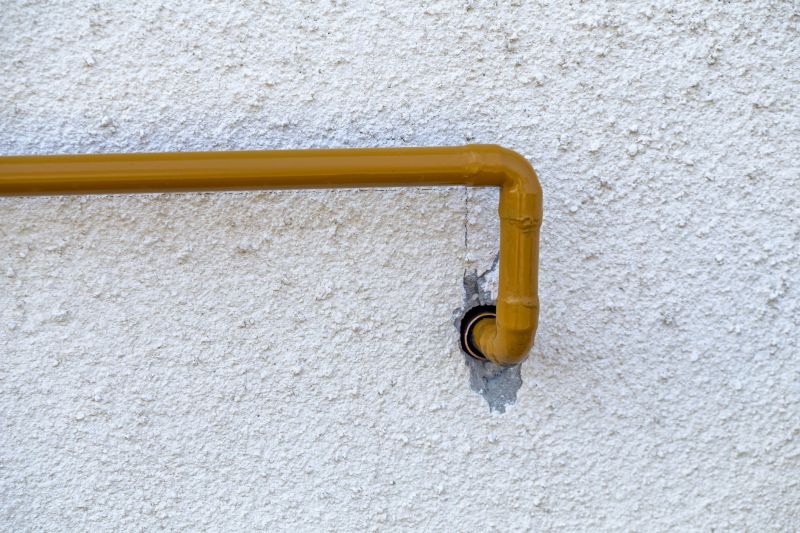
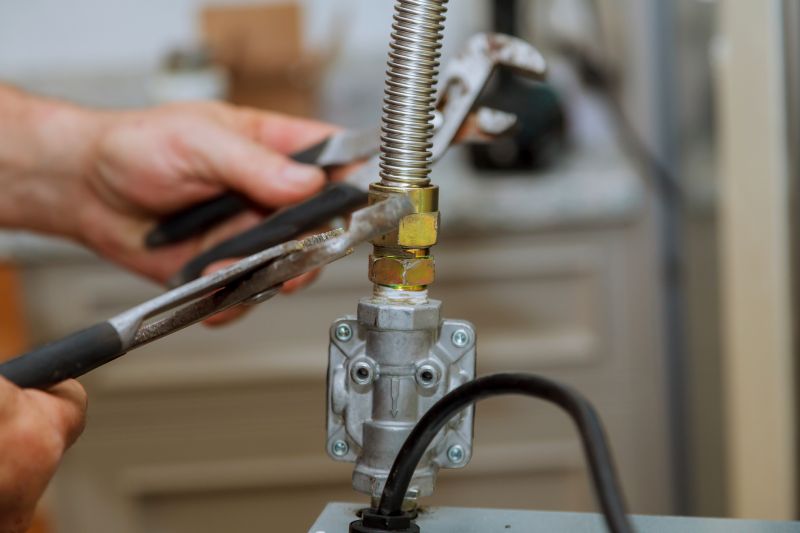
Gas line capping services are often needed during property renovations, upgrades, or when old gas lines are no longer in use. Property owners might look for local contractors to safely seal off unused gas lines to prevent leaks or ensure compliance with safety regulations. Whether installing new appliances, remodeling kitchens, or preparing a property for sale, having a professional handle gas line capping can provide peace of mind and help avoid potential hazards.
In other situations, property owners may require gas line capping when there are changes to the property’s layout or utility connections. Local service providers can assist with properly terminating gas lines that are no longer needed, reducing the risk of accidental leaks or damage. These professionals are equipped to handle various project needs, ensuring that gas lines are safely and securely capped in accordance with local standards.
Why might I need a gas line cap installed or replaced? A gas line cap is essential for safely shutting off unused or damaged gas lines, preventing leaks and ensuring safety in your property.
How do I know if my gas line needs to be capped? Signs such as the gas line being unused, damaged, or disconnected may indicate the need for capping; a local contractor can assess your situation.
What types of gas line caps are available? There are various caps designed for different gas lines and applications, including threaded caps and flare caps, which local service providers can recommend.
Is gas line capping a job that requires special tools or skills? Yes, proper capping involves specific fittings and safety procedures, which is why it’s recommended to hire experienced local contractors.
Can gas line capping be done on any type of gas line? Most common gas lines can be capped, but a local professional can determine compatibility and ensure the job is done correctly and safely.
Property Renovation Projects - Property owners planning to update or remodel their homes can have unused gas lines safely capped to prevent leaks and ensure safety during construction.
Gas Line Abandonment - When decommissioning old appliances or removing gas-powered equipment, local contractors can cap the lines to maintain safety and code compliance.
New Construction Preparations - Builders and developers can have gas lines capped before completing new structures to prepare for future utility connections or safety measures.
Landscaping or Yard Improvements - Homeowners working on landscaping or outdoor projects can have gas lines capped to prevent accidental damage and ensure a safe work environment.
If you are thinking about Gas Line Capping for a property, this guide is meant to help you understand the work, the typical project types, and how different options might fit your plans.
When you are ready, you can use the quote form on this page to share a few details about your project. From there, local pros can review the basics and respond with options that match what you have in mind.