Spring Gas Line Inspection Services by Local Contractors
Spring is an ideal time for property owners to ensure safe, reliable gas lines by connecting with trusted local contractors for thorough inspections.
Spring is often considered an ideal time to evaluate and inspect gas lines, as the season marks a transition from winter’s heavy use of heating appliances to preparing for outdoor activities and home improvements. During this period, property owners may notice changes in gas line performance or simply want to ensure their systems are in optimal condition after months of winter operation. Additionally, spring’s milder weather provides a practical window for scheduling inspections without the complications of extreme cold or heat, making it easier to coordinate with local contractors who specialize in gas line services. This season also offers an opportunity to identify and address potential issues before the busier summer months, helping to maintain safety and efficiency throughout the warmer months.
Gas line inspecting services typically cover a thorough assessment of existing pipelines for signs of wear, corrosion, leaks, or damage that could compromise safety or performance. Contractors may perform visual inspections, pressure tests, and sometimes utilize specialized equipment to detect leaks or weaknesses in the system. The process helps identify potential problems early, allowing property owners to plan necessary repairs or upgrades. In some cases, inspections can also verify that gas lines meet current safety standards or identify areas where improvements could enhance system reliability. Engaging with experienced local service providers ensures that inspections are comprehensive and tailored to the specific needs of the property’s gas infrastructure.
When comparing local options for gas line inspecting services, property owners are encouraged to consider the experience and reputation of nearby contractors, as well as the scope of services offered. It’s helpful to review the qualifications and certifications of service providers, as well as their familiarity with local codes and regulations. Many local contractors provide detailed descriptions of their inspection processes, which can assist in understanding what is included and how the service is performed. Consulting with multiple providers allows property owners to ask questions, compare approaches, and select a service provider that best aligns with their needs for safety, reliability, and quality. This approach helps ensure that the chosen professional is well-equipped to handle the specific requirements of gas line inspections in the local area.
Compare local contractors' experience and expertise to find the best fit for your spring gas line inspection needs.
- Gas Line Inspection - Local contractors can assess the integrity and safety of existing gas lines to prevent potential issues.
- Leak Detection - Service providers can identify and address gas leaks to ensure safety and compliance.
- System Upgrades - Professionals can recommend and install improvements to enhance gas line performance.
- Seasonal Maintenance - Local experts can perform inspections to prepare gas systems for spring usage and prevent future problems.
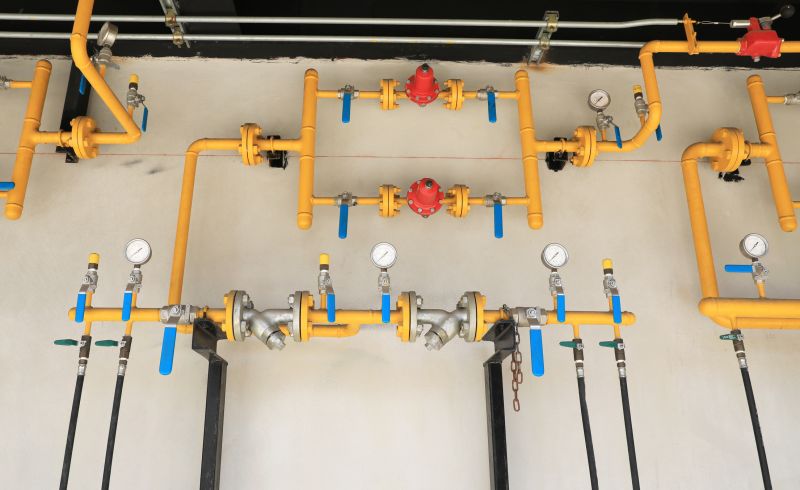
Evaluate your gas line inspection options carefully by clearly describing your project before comparing local contractors.
- Inspect gas lines for signs of corrosion or rust that could indicate deterioration. - Look for any leaks, hissing sounds, or unusual odors near the gas line area.
- Check for loose or damaged fittings and connections that may need tightening or replacement. - Ensure all joints and valves are secure and free from visible damage.
- Examine the condition of the shut-off valves to confirm they operate smoothly and are not leaking. - Properly functioning valves are essential for safety and maintenance.
- Look for any cracks, dents, or damage along the gas pipe that could compromise its integrity. - Physical damage can lead to leaks or failures in the gas line system.
- Ensure that the gas line is clear of obstructions or debris that could interfere with proper operation. - Keep pathways around the gas lines free from obstructions for easy inspection and maintenance.
- Contact local contractors to perform a comprehensive inspection and address any identified issues safely.
Use this to explore ideas and refine the scope when planning gas line inspections this spring.
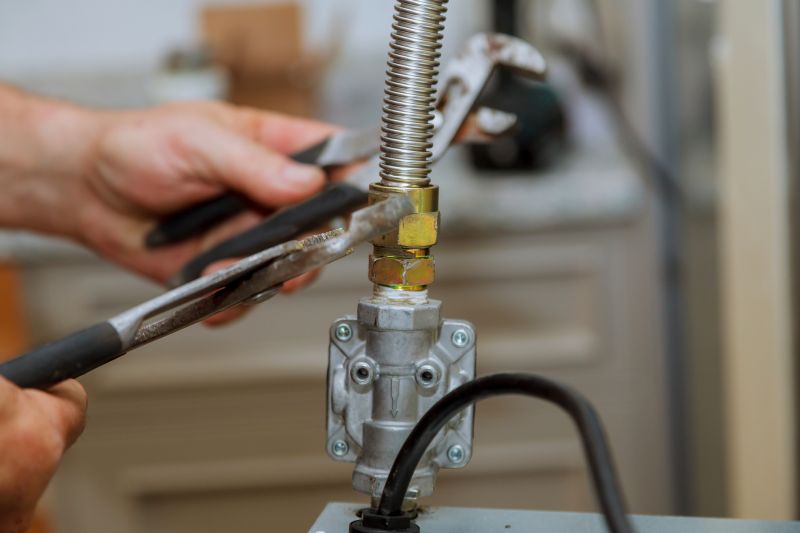
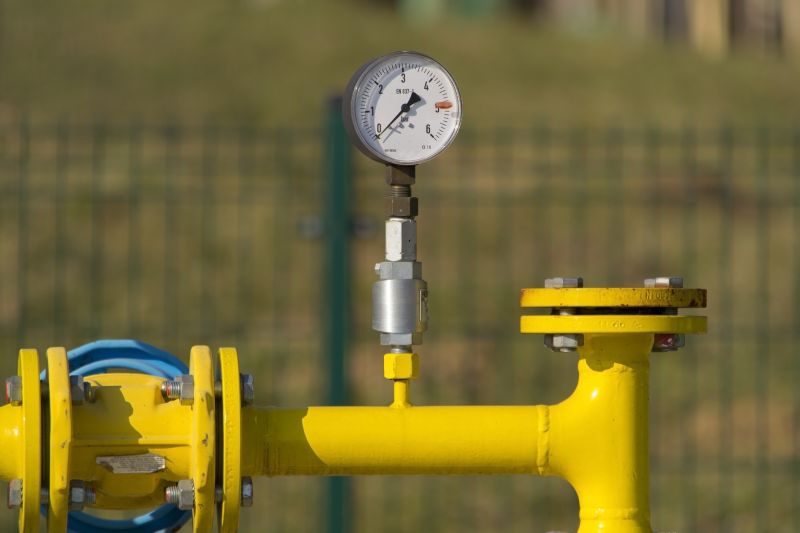
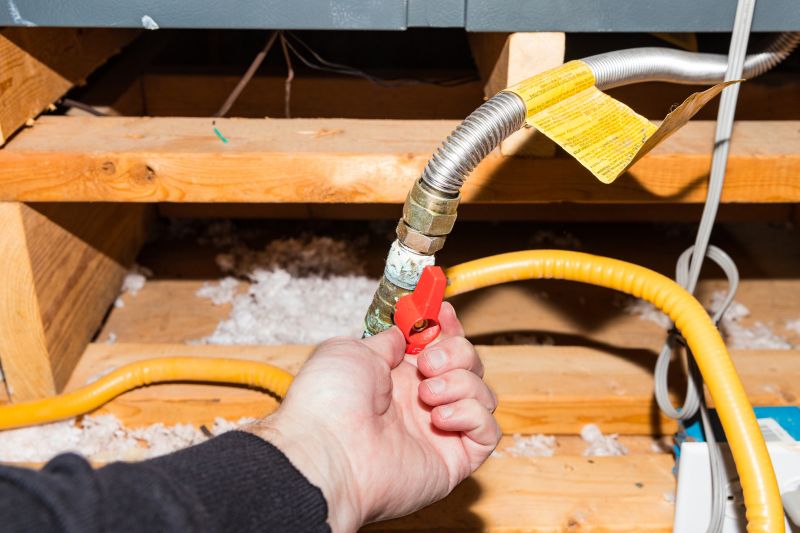
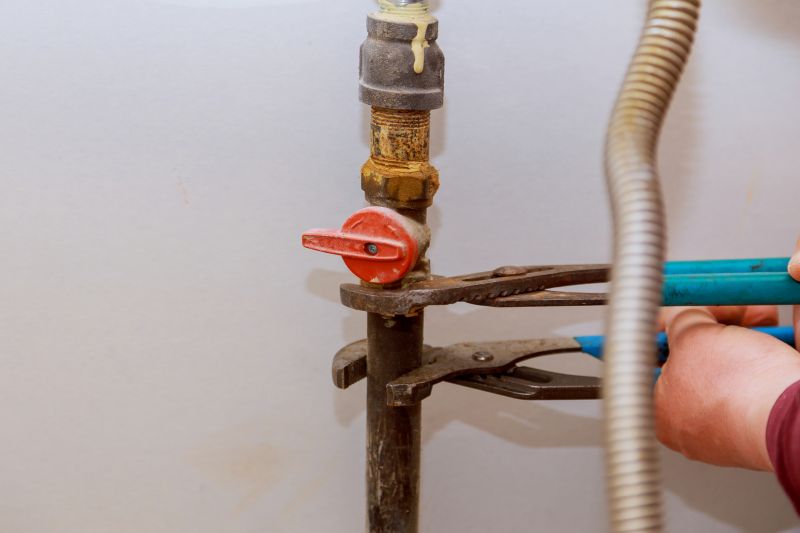
Prioritize your gas line inspection needs and compare local service providers to find the best fit for your spring project.
- Gas Line Inspection - Spring is an ideal time to have local contractors inspect gas lines for leaks or damage after winter. Regular inspections can help prevent potential hazards and ensure system integrity.
- Leak Detection Checks - Service providers can perform thorough leak detection to identify any issues caused by temperature fluctuations or ground shifts during the season.
- System Maintenance - Spring inspections often include cleaning and maintenance of gas lines to prepare for the warmer months and ensure efficient operation.
- Damage Assessment - Local contractors can assess any physical damage to gas lines caused by winter weather or ground movement and recommend necessary repairs.
- Preventive Upgrades - Spring is a good time to consider upgrades or improvements to existing gas line systems to enhance safety and performance.
Compare local service providers consistently to find the best gas line inspection options for your spring project.
- Visual Inspection - Identify any visible signs of damage, corrosion, or leaks on the gas line and connections.
- Leak Detection - Use appropriate methods to detect any leaks in the gas line system.
- Connection Checks - Ensure all fittings, joints, and valves are secure and properly connected.
- Pressure Testing - Verify the gas line maintains proper pressure levels according to safety standards.
- Code Compliance - Confirm the gas line installation adheres to local building codes and safety regulations.
When comparing service providers for gas line inspecting during the spring season, it’s important to evaluate their experience with similar projects. Homeowners should seek out local contractors who have a proven track record of handling gas line inspections in residential settings, especially during seasonal transitions. An experienced professional will be familiar with common spring-related concerns such as shifting soil, increased moisture, and potential weather-related impacts that can affect gas line integrity. Understanding a contractor’s background with comparable projects can help ensure that the inspection process is thorough and tailored to the specific needs of a springtime environment.
Clarity in the scope of work is a key factor when assessing potential service providers. Homeowners should look for local contractors who provide clear written descriptions of what their gas line inspection will include. This might encompass checking for leaks, verifying connections, examining corrosion or damage, and ensuring proper ventilation and safety measures. A well-defined scope helps prevent misunderstandings and sets expectations for what the inspection covers, making it easier to compare options based on the thoroughness and focus of each provider’s approach.
Work planning considerations are also essential when choosing a local contractor for spring gas line inspections. Homeowners should inquire about how each service provider plans and coordinates their inspections, including scheduling, access to the property, and any preparations needed beforehand. Professionals who communicate their process clearly and demonstrate an organized approach can contribute to a smoother experience. Considering how a contractor plans their work can also reveal their attention to detail and ability to adapt to seasonal conditions, such as weather constraints or yard maintenance needs during spring.
Evaluating options without focusing on prices involves examining the expertise, scope clarity, and work planning of local service providers. Homeowners can compare how well each contractor understands the unique aspects of springtime inspections, the comprehensiveness of their written scope, and their approach to scheduling and coordination. Gathering information about these factors helps identify professionals who are best equipped to deliver reliable, thorough inspections that meet seasonal needs. This approach ensures that homeowners select a reputable service provider capable of addressing their gas line concerns during the spring season effectively.
Request written scope details to ensure clarity and consistency when comparing local contractors for spring gas line inspections.
- **Scope of Inspection** - What specific aspects of the gas line should local contractors evaluate during a spring inspection?
- **Provider Experience** - How do different service providers compare in their approach to gas line assessments in the spring season?
- **Inspection Methods** - What techniques or tools do local contractors use to thoroughly inspect gas lines for seasonal readiness?
- **Coverage Details** - How do various providers define the scope of their gas line inspection services to ensure comprehensive evaluation?
- **Service Differentiation** - In what ways do local contractors distinguish their gas line inspection offerings during spring planning?
Why should I have my gas line inspected in spring? Spring is a good time to ensure gas lines are in proper condition after winter, helping prevent potential issues during summer use or outdoor projects.
What signs indicate my gas line needs an inspection? Look for hissing sounds, the smell of gas, or visible damage to pipes, which may suggest the need for a professional assessment.
How often should gas lines be inspected? Regular inspections are recommended, especially if there are signs of wear or if the system hasn't been checked in several years.
What does a typical gas line inspection involve? Local contractors typically check for leaks, corrosion, and proper connections to ensure the safety and integrity of the system.
Are there specific spring projects that require gas line inspections? Yes, outdoor cooking setups, pool heaters, or landscaping features often involve gas lines that benefit from a professional inspection before use.
How can I find qualified local contractors for gas line inspections? This site helps connect with trusted service providers in the area who specialize in gas line inspections and related services.
Spring is a great time to ensure your gas lines are in proper condition, helping to prepare your home for the season ahead. By understanding the importance of regular inspections, you can identify potential issues early and maintain a safe, efficient system. Connecting with trusted local contractors can provide the expertise needed to assess your gas lines thoroughly and address any concerns.
Using the quote form allows you to compare options among local service providers who specialize in gas line inspections. This approach makes it easier to find experienced professionals suited to your specific needs, giving you confidence in selecting the right team for your spring project.
Providing clear details about your gas line inspection helps local contractors understand your project needs effectively.
- Inspection Process - Share details about the steps involved in inspecting gas lines to ensure safety and proper function.
- Signs of Issues - Describe common indicators that may suggest the need for gas line inspection or repair.
- Tools and Equipment - Provide information on the types of tools and technology used by local contractors during inspections.
- Preparation Tips - Offer practical advice on how homeowners can prepare for a gas line inspection with service providers.